The Cabo real estate market looks different this spring. Buyers have more homes to choose from. Sellers are waiting a little longer for the right offer. And one corner of the market is having an exceptional year.
Here is what the numbers through May 22, 2026 reveal about Cabo San Lucas, the Corridor, and San José del Cabo.
More homes on the market than last year
Walk into any open house this season and the shift is obvious. The shelves are no longer bare. Across the region, 6,885 homes, condos, and parcels of land sit on the market right now. That is 12 percent more than last May.
Land leads the growth. Listings have grown 21 percent. Single-family homes follow at 12 percent. Condo inventory is nearly flat at 2 percent.
For anyone who watched the Cabo real estate market shrink in recent years, that extra breathing room matters. Buyers can shop, compare, and take a weekend to think things over without losing the place to someone else.
The picture varies by neighborhood. Cabo San Lucas Centro has fewer condos for sale than last year, down 9 percent. Across town, Beach and Marina condos rose 8 percent. San José del Cabo Beachside saw condo inventory jump 30 percent. The shift is real, but it favors certain pockets more than others.
Sales have slowed, yet prices are holding firm
Fewer homes are changing hands. The region logged 632 sales so far this year, down from 778 last year. That is a 19 percent drop. Total sales dollars fell 26 percent.
But here is the surprise. Prices have barely moved. The middle price point across all properties slipped only 4 percent, from $389,193 to $375,000.
Sellers are still getting close to what they ask. Condo sellers received 96 cents on every dollar listed. House sellers received 94 cents. They are simply waiting a little longer to find the right buyer.
Branded residences are having a breakout year
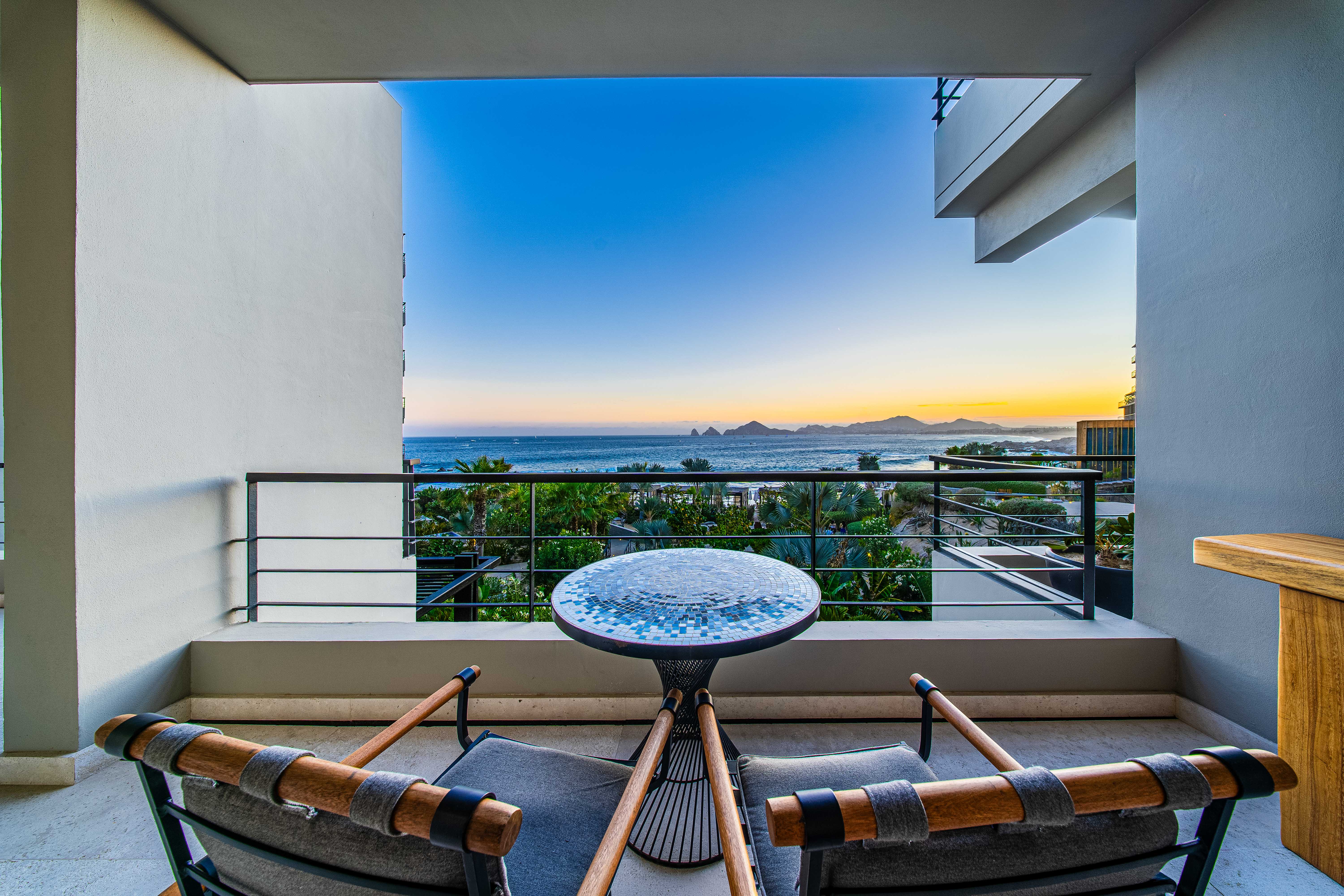
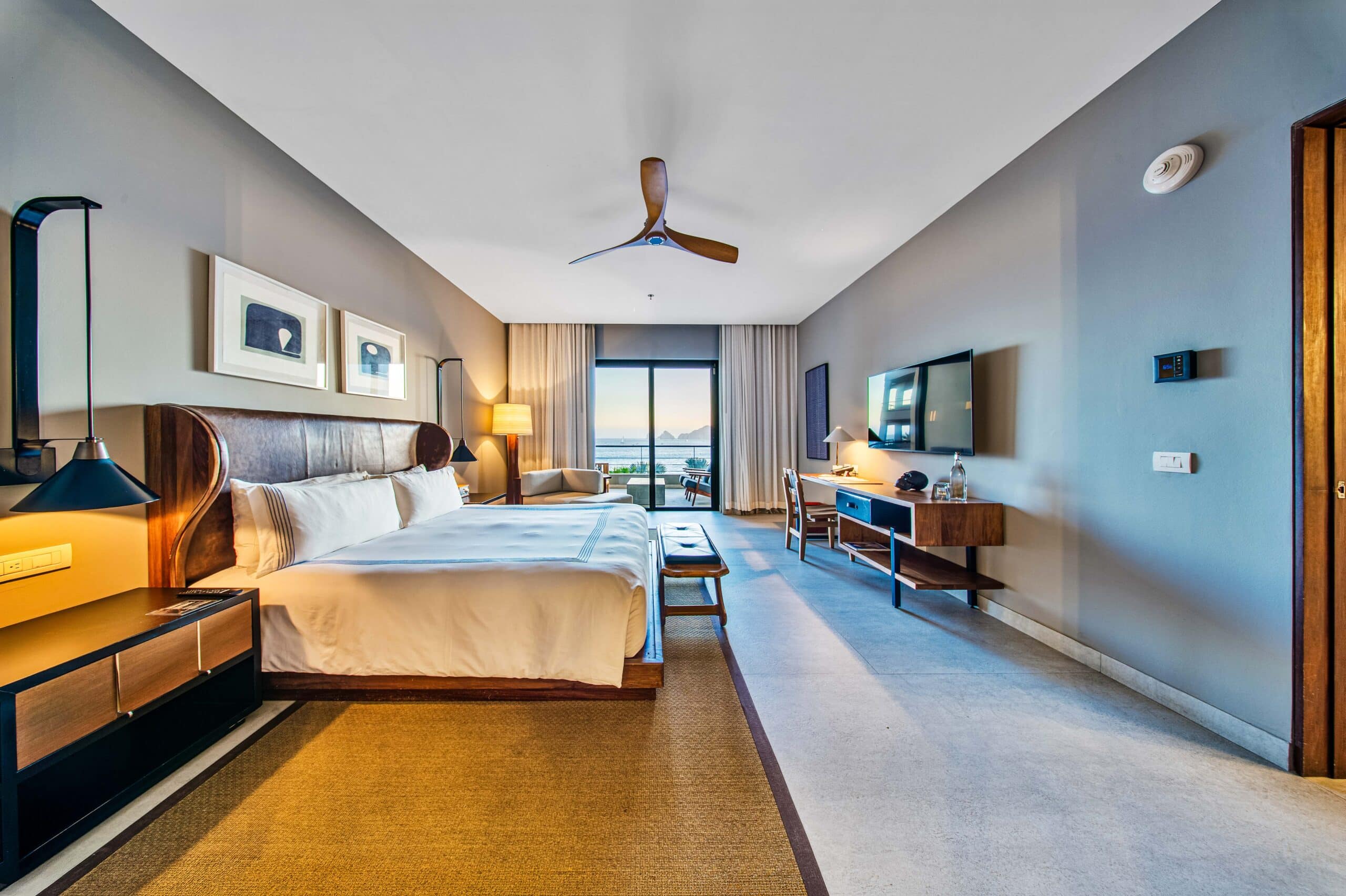
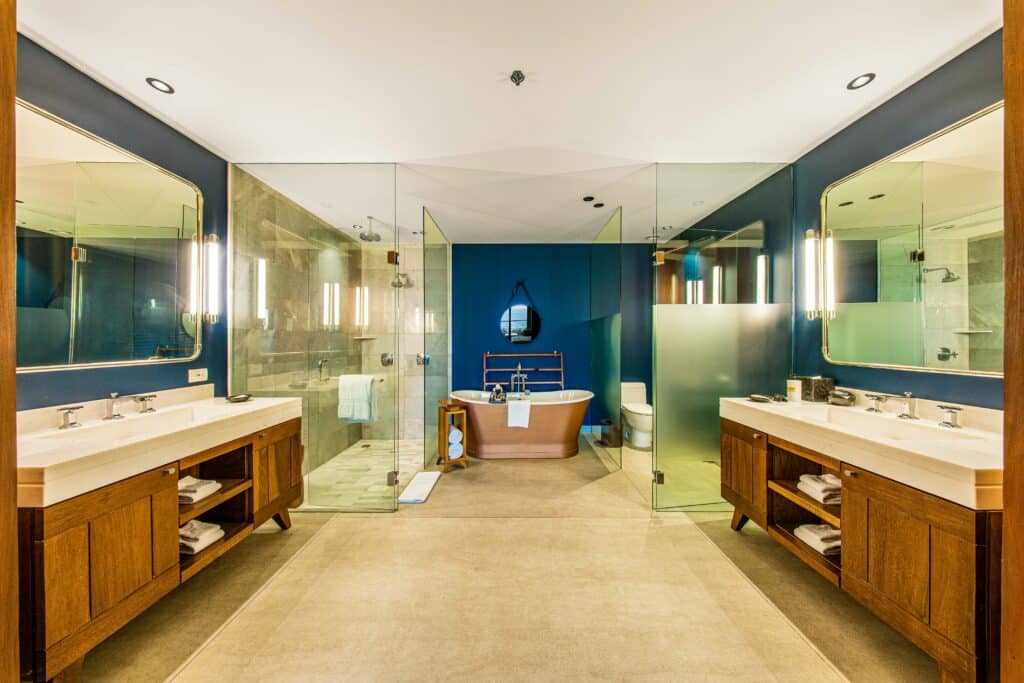
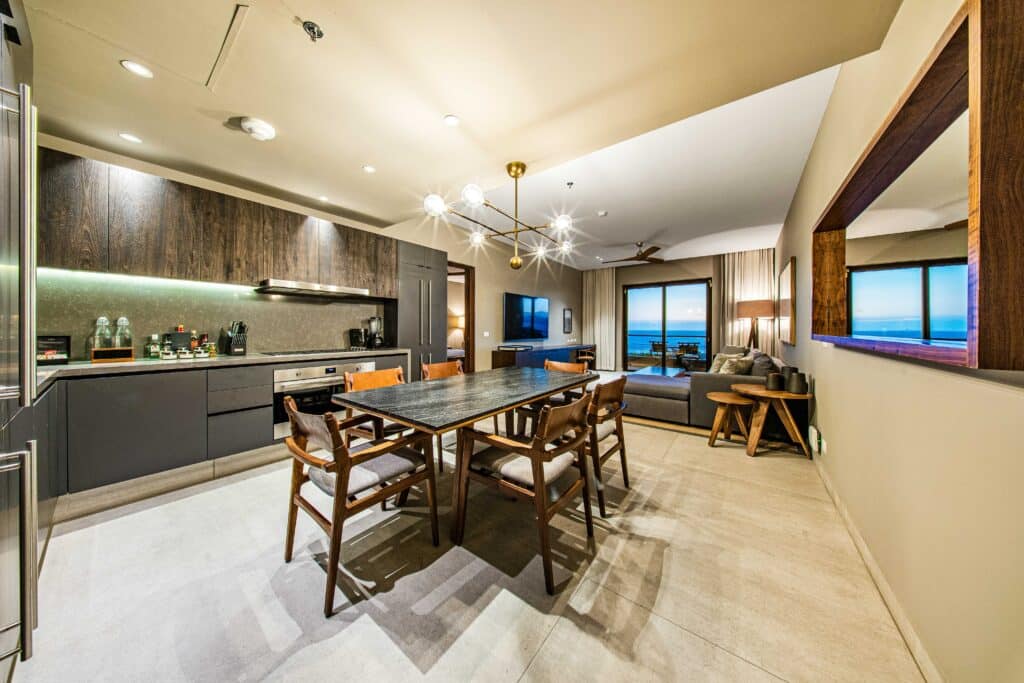
If one storyline stands out in 2026, it belongs to the corridor branded residences. These are the condos tied to luxury hotels, where the hotel staff handles housekeeping, the spa sits steps away, and rental income flows in when the owner is not in town.
The numbers are remarkable.
San José del Cabo Corridor Inland condos sold 20 residences this year, up from seven last year. Total sales jumped 431 percent to $40.6 million. The middle sale price nearly doubled to $1.525 million.
Just down the road, oceanside corridor condos saw sales climb from three to 10. Total dollars changing hands rose 202 percent to $26.9 million.
In plain terms, buyers who want a turnkey vacation home with hotel service have stopped wondering. They are buying. And they are paying serious money for the right product.
Cabo San Lucas Beach and Marina condos had a strong run too. The middle sale price climbed 17 percent to $565,000. Fewer condos sold here, but the ones that did sold at higher prices.
San José del Cabo Beachside told a different story. The middle price dropped 60 percent to $386,000. That sounds dramatic, but it reflects smaller, more accessible residences selling. The neighborhood has not lost value. The mix of what is selling has changed.
The single-family home market: two different worlds
Imagine two buyers shopping right now. One has $500,000 and wants a quality home inland. The other has $5 million and wants oceanfront. Their experiences look completely different.
The $500,000 buyer is finding strength. Cabo San Lucas Corridor Inland houses posted a 26 percent jump in the middle sale price, landing at $500,000. The number of homes sold barely moved. Total sales dollars actually rose 4 percent. This is the sturdy heart of the market.
The $5 million buyer is finding bargains. Cabo San Lucas Corridor Oceanside houses sold at an average of $4.1 million this year, down from $7.4 million last year. More homes sold than last year, but at lower prices.
San José del Cabo Corridor Oceanside tells a similar story. Eight homes sold this year versus 15 last year. The average dropped from $7.1 million to $5.9 million.
San José del Cabo East, where Palmilla sits, saw sales cut in half. The middle price slipped 27 percent to $2.32 million.
The story is not that high-end demand has vanished. The story is that high-end buyers have more negotiating room than they have had in years.
Land tells the most dramatic story
Land has shifted faster than anywhere else.
San José del Cabo Inland Golf land listings grew 65 percent. New listings jumped 180 percent. Cabo San Lucas Beach and Marina land inventory more than doubled. Meanwhile, fewer parcels sold than last year.
Developers and investors are putting more land on the market. Buyers are taking longer to commit. Land usually leads the way when a corridor market shifts, so this signal matters. The message right now: take your time, do the homework, and the right opportunity will surface.
What this means for buyers and sellers this summer
For buyers, the 2026 Cabo real estate market offers something rare: time and choice. There is more to see. Sellers will talk price. For the first time in years, motivated buyers can shop without that breathless rush.
For sellers, the message is simpler. Price the home accurately and prepare it well. Homes that hit those two marks are selling, sometimes for more than last year. Homes priced ambitiously sit.
The market is fair. It is just less forgiving than it was.
The middle of the year shows a Cabo real estate market settling into a more sustainable pace. After several frenzied years, balance has returned. The branded residence story on the corridor is the highlight of 2026 so far, and one worth watching as the year unfolds.
For a personalized look at how these trends apply to a specific neighborhood, residence type, or pricing strategy, contact Dane Posey for inquiries related to Chileno Bay Golf and Beach Club, or Angie Posey-Villa for inquiries related to listings across the broader Los Cabos corridor.